

A practical, room-by-room guide to reduce dust, improve air quality, and keep your home feeling cleaner for longer.
Introduction
You clean your home, and somehow the dust is back the next day.
It settles on furniture, gathers along baseboards, clings to blinds, and shows up on surfaces you just wiped down.
If that sounds familiar, you are not doing anything wrong.
In Charlotte, dust builds up fast. Spring pollen, humid weather, HVAC use, pets, kids, and everyday foot traffic all add to the problem. Even well-kept homes can start to feel dusty again sooner than expected.
At My Clean Charlotte Maids, dust is one of the most common frustrations we hear from homeowners across the Charlotte area.
The good news? You do not need to clean more often. You just need a better system.
This guide will show you the best way to dust a house, what tools actually work, which areas most people miss, and how to reduce dust so it does not come back so quickly.
Why Homes in Charlotte Get Dusty So Fast
If your home always feels dusty, there is usually more than one reason.
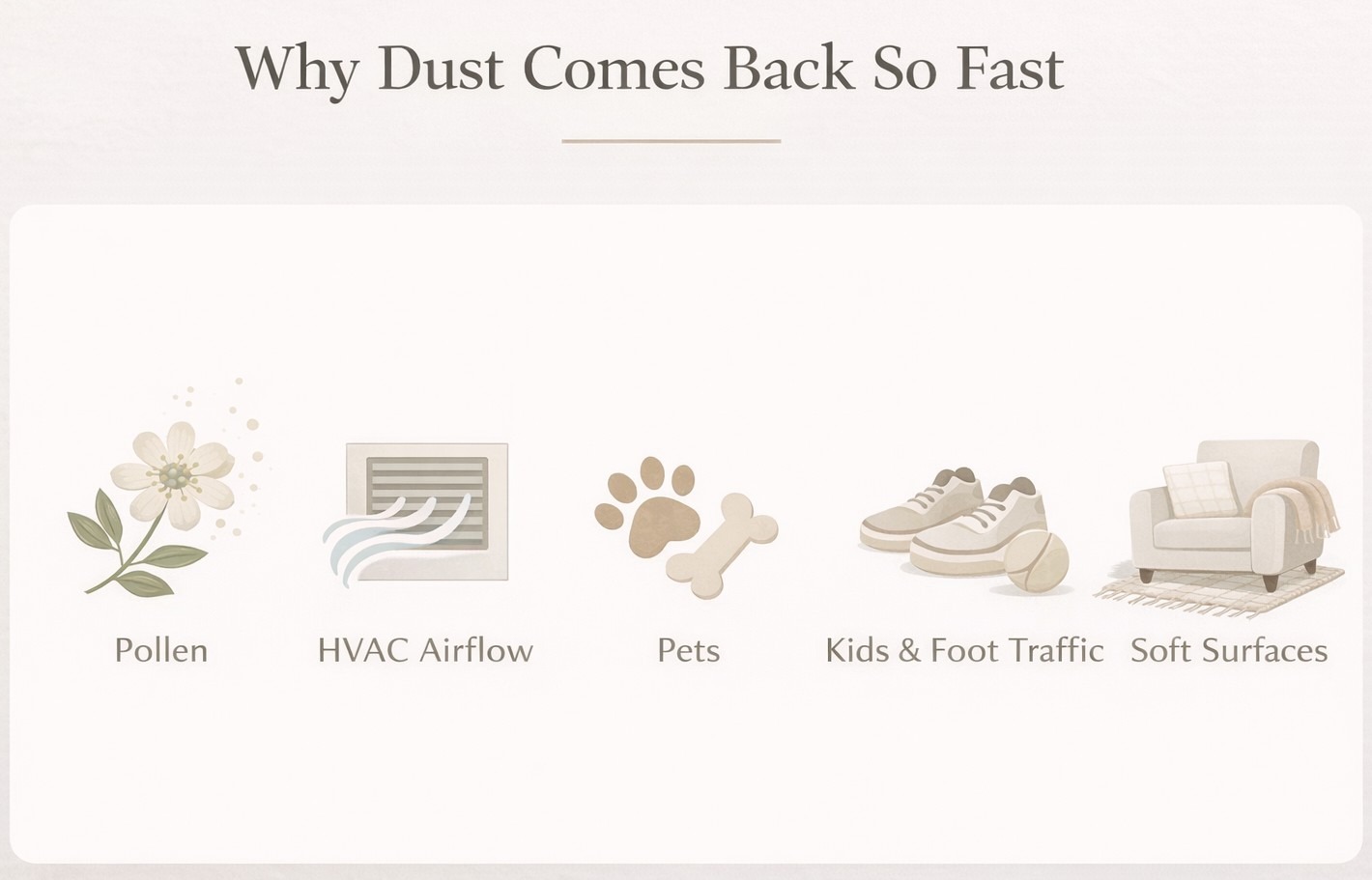
In Charlotte homes, dust tends to build up quickly because of a few common factors:
Pollen and outdoor particles
Charlotte’s spring pollen season can coat cars, patios, and indoor surfaces with fine particles that come in through doors, windows, shoes, and pets.

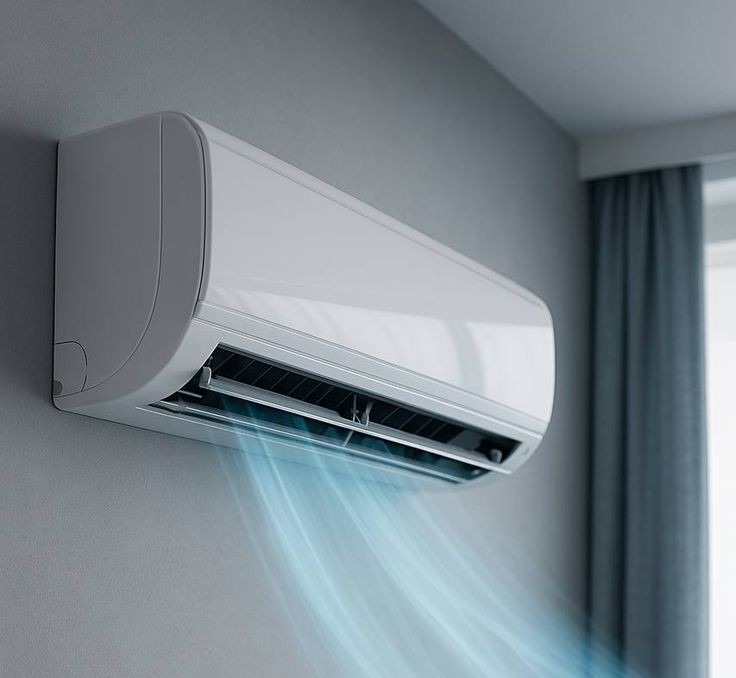
Frequent HVAC use
Air conditioning and heating keep air moving through the home, which also means dust keeps circulating. Dirty filters and dusty vents can make the problem worse.
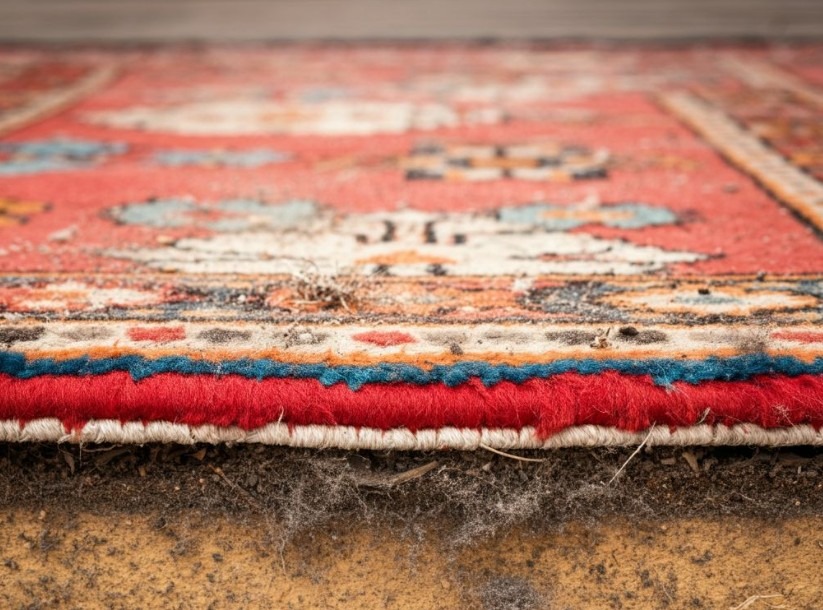
Soft surfaces that hold dust
Rugs, upholstered furniture, bedding, curtains, and decorative fabrics trap dust and release it back into the air over time.
Everyday household activity
Kids, pets, cooking, laundry, and constant movement all stir up particles that settle again later.
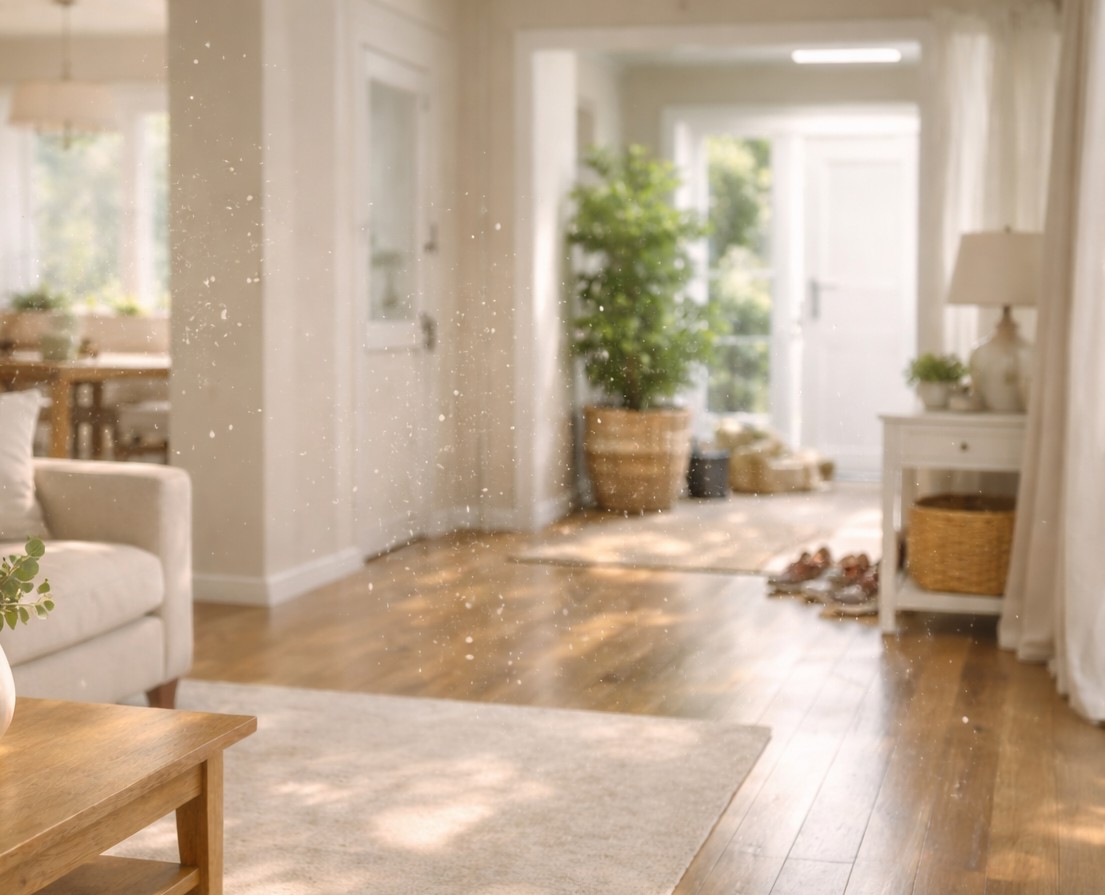
Dust is a cycle—and unless it is broken, it keeps coming back no matter how often you clean.
Why Dust Keeps Coming Back (And What Most People Miss)
Many people dust regularly but still feel like their home never stays clean for long.
Usually, the problem is not effort. It is the method.
One of the biggest mistakes is using tools that push dust around instead of removing it. Dry paper towels, worn-out rags, and feather dusters often send particles into the air, where they settle again on nearby surfaces.
Another common issue is dusting in the wrong order. If you clean lower surfaces first and then dust ceiling fans or shelves above them, you undo your own work.
It is also easy to focus only on what is obvious. But in many homes, the heaviest dust buildup comes from overlooked areas like blinds, vents, baseboards, door frames, and light fixtures.
The goal is not just to make a room look clean for the moment. It is to remove dust in a way that helps your home stay cleaner longer.
Best Tools for Dusting a House
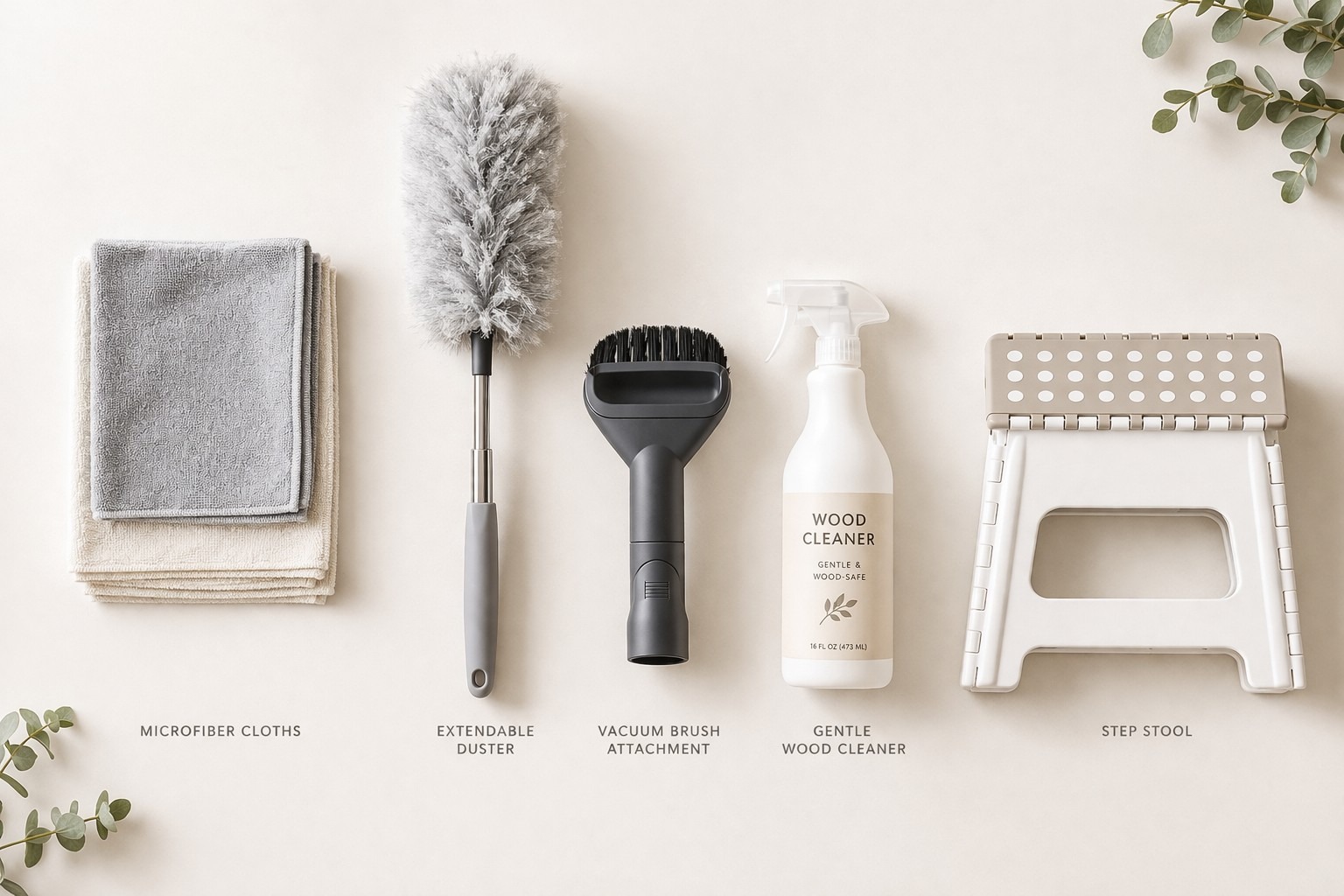
You do not need a huge cleaning kit, but a few good tools make a major difference.
Microfiber cloths
These trap dust instead of spreading it around. They are one of the best options for furniture, shelves, and baseboards.
Extendable duster
Helpful for ceiling fans, vents, corners, and higher surfaces that are easy to overlook.
Vacuum with a brush attachment
A great choice for blinds, lampshades, upholstery, and other delicate areas where dust settles heavily.
Wood-safe cleaner
Useful on wood furniture when needed, but use it lightly. Oversaturating surfaces can leave residue behind.
Step stool
A simple tool that makes it safer and easier to reach high areas properly.
If you only upgrade one thing, switch to microfiber. It is one of the easiest ways to improve your results right away.
How to Dust Your House Room by Room
The easiest way to stay consistent is to follow the same process every time: start high, work down, and finish with floors or vacuuming.
Living Room
This is one of the fastest places for dust to collect because it combines electronics, upholstery, decor, and daily activity.
Dust these areas in order:
- Ceiling fans
- Air vents
- Light fixtures
- Shelves and frames
- Lamps
- Electronics and TV stands
- Coffee tables and side tables
- Window sills
- Blinds
- Baseboards
- Behind and under furniture
⚠️ Do not forget upholstery arms, cushions, and the areas around electronics, which tend to collect dust quickly.
Kitchen
Kitchen dust is often mixed with grease, which makes it stickier and harder to remove.
Focus on:
- Tops of cabinets
- Refrigerator top
- Light fixtures
- Open shelving
- Window trim
- Baseboards
💡 A slightly damp microfiber cloth usually works better here than dry dusting alone.
Bedrooms
Bedrooms collect more fine dust than many people realize because of bedding, clothing fibers, hair, and soft surfaces.
Clean:
- Headboards
- Bed frames
- Nightstands
- Dressers
- Lamps
- Blinds
- Mirrors
- Baseboards
- Closet shelves
⚠️ Dust in bedrooms can affect comfort, especially for anyone dealing with allergies.
Bathrooms
Bathrooms may not seem dusty at first, but dust mixes with moisture and settles in easy-to-miss places.
Pay attention to:
- Exhaust fan covers
- Light fixtures
- Open shelving
- Baseboards
- Window ledges
- Door trim
Entryways and Hallways
These areas bring dust into the home before it spreads elsewhere.
Dust:
- Console tables
- Frames and wall decor
- Stair railings
- Door frames
- Trim
- Baseboards
💡 Keeping these spaces clean can make the whole house feel fresher.
The Most Commonly Missed Dusting Spots
In many homes we clean, these are the areas where the heaviest buildup happens:
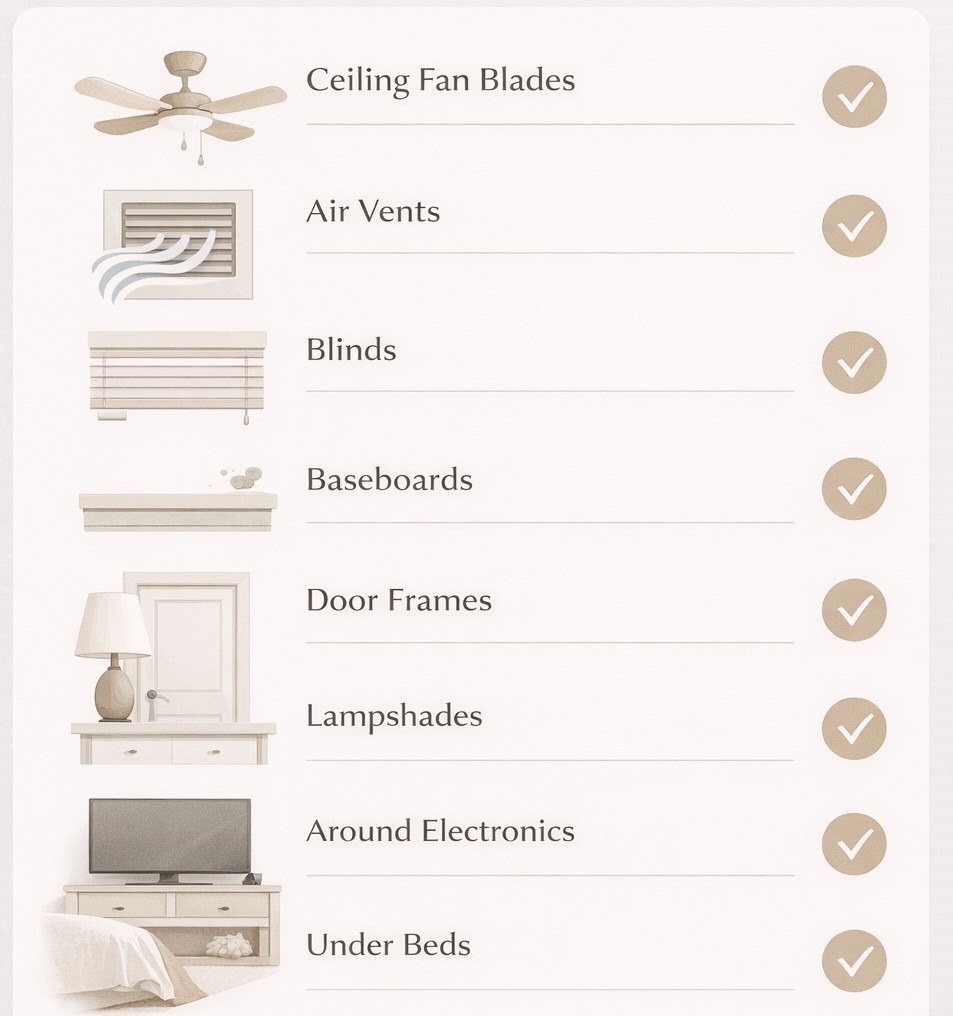
These are often the areas where buildup quietly collects and continues circulating through the rest of the home.
How Often Should You Dust Your House?
There is no perfect schedule for every household, but this is a reliable starting point for most Charlotte homes.
Weekly
Main living areas, bedrooms, frequently used furniture, and high-traffic surfaces
Every 2 to 4 weeks
Blinds, vents, ceiling fans, baseboards, and more detailed dusting tasks
Seasonally
Behind furniture, tops of cabinets, closet shelving, and deeper buildup zones
Consistency matters far more than trying to do everything at once.
How to Reduce Dust in Your Home
Dusting helps, but prevention is what keeps it from building up so quickly.
Here are some of the most effective ways to reduce dust in your house:
- Change HVAC filters regularly
- Wipe vents and returns
- Vacuum rugs and upholstered furniture often
- Use doormats at every entrance
- Reduce clutter on open surfaces
- Brush pets regularly
- Keep windows closed during high-pollen days in Charlotte
- Wash bedding consistently
- Clean under beds and furniture on a regular schedule
These small habits can make a noticeable difference in how long your home stays clean.
When Dust Becomes Hard to Stay Ahead Of
For many households, dust is not really the issue. Time is.
Even with the best intentions, it is hard to stay on top of detailed work when you are balancing work, kids, pets, errands, and everything else that comes with daily life.
That is usually when a simple cleaning routine starts to fall behind.
Professional cleaning helps keep dust under control before it turns into a constant reset. Instead of waiting until buildup becomes obvious, a recurring cleaning system maintains the areas that are easiest to miss and hardest to stay consistent with.
At My Clean Charlotte Maids, we focus on the detail areas many homeowners do not have time to manage every week, so the home stays cleaner for longer.
For many Charlotte families, the biggest benefit is not just less dust. It is having one less thing to think about.

Final Thoughts
Every home deals with dust, but it does not have to feel nonstop.
With the right tools, a simple system, and consistent habits, your home can stay cleaner for longer without adding more work to your week.
Because a clean home is not just about how it looks. It is about how it feels to live every day.
❓FAQ
Q: What is the best way to dust a house?
A: Work from top to bottom using microfiber cloths or tools that trap dust instead of spreading it. Finish by vacuuming floors and upholstery.
Q: How often should you dust baseboards and blinds?
A: Usually every 2 to 4 weeks, depending on pets, traffic, and how quickly dust builds up.
Q: Why does my house get dusty so fast in Charlotte?
A: Pollen, HVAC airflow, humidity, pet dander, and soft surfaces all contribute to faster dust buildup.
Q: What helps reduce dust in a house?
A: Changing filters, vacuuming often, reducing clutter, cleaning vents, and keeping windows closed during high-pollen days can all help.
Q: Do professional house cleaners dust baseboards and blinds?
A: Yes. Most recurring and deep cleaning services include detailed dusting of baseboards, blinds, vents, and fixtures.
Q: Does regular dusting help with allergies?
A: Yes. It reduces common allergens like dust, pollen, and pet dander.
Keep Your Home Feeling Fresh Without the Constant Upkeep
Tired of dust coming back faster than you can clean it?
My Clean Charlotte Maids offers recurring and deep cleaning services designed to keep your home consistently clean, comfortable, and easier to maintain.
⏳ Recurring cleaning spots can fill quickly, especially during peak seasons.
👉 Get your quote today and take dust off your to-do list.
Written by My Clean Charlotte Maids
Serving Charlotte, Fort Mill, Rock Hill, Gastonia, Pinehurst, Lake Norman, Fayetteville & surrounding areas.



Stay Updated
Fresh cleaning tips, home-care hacks, and smart living ideas — delivered weekly from My Clean Charlotte Maids.